Can Dogs Eat Almonds? Everything You Need To Know.
Can dogs eat almonds? The short answer is no. Almonds are not toxic, but they bring real risks like choking, intestinal blockage, and pancreatitis. Here is what vets say, plus what to do if your dog eats them.

Veterinarian · BVMS, MRCVS

Petful is reader supported. As an affiliate of platforms like Amazon and Chewy, we may earn a commission when you buy through links on this page. There is no extra cost to you.
- 1No, dogs should not eat almonds, as they pose choking hazards, digestive issues, and potential allergic reactions.
- 2Almonds are tough to digest, high in fat, and can lead to pancreatitis or intestinal blockages.
- 3If given at all, they must be plain, unsalted, crushed, and only in tiny amounts, with veterinary approval.

Sign up for expert-backed reviews and safety alerts all in one place.
Can Dogs Eat Almonds? The Short Answer
Can dogs eat almonds? No, dogs should not eat almonds. They are not classified as toxic the way macadamia nuts are, but almonds are hard for dogs to digest and carry real risks: choking, intestinal blockage, and pancreatitis from the high fat content. The American Kennel Club advises against feeding them. If your dog grabs one plain almond, watch for vomiting or diarrhea and call your vet if symptoms appear.
Almonds, with their crunchy texture and perfect size for a bite, are a popular snack among humans. But when it comes to our furry companions, it's essential to delve into the potential risks and benefits of sharing these nuts.
In Short: Proceed with Caution. While almonds aren't inherently toxic to dogs, they can pose risks and should be given sparingly and in specific forms, if at all.
Understanding the nuances of almonds in a dog's diet is essential to keep your pet safe and healthy.
Are Almonds Bad for Dogs? The Real Risks
Before we dive into whether dogs can eat almonds, let's explore the intricacies of these nuts and how they might affect our four-legged friends:
Why Can't Dogs Eat Almonds Freely?
Unlike grapes, which are strictly off-limits for dogs due to their toxic nature, almonds are not inherently poisonous to our canine companions. However, almonds come with their own set of concerns:
- Digestibility: Almonds can be challenging for dogs to digest, particularly if consumed in large quantities or whole. Dogs have different digestive systems from humans, and some may struggle to break down the tough, fibrous almond shell.
- Risk of Obstruction: Whole almonds, in particular, pose a risk of choking or intestinal blockage. If a dog swallows a whole almond without properly chewing it, it can become lodged in the esophagus or gastrointestinal tract, leading to serious health issues.
- Salted and Flavored Almonds: Many almonds available to humans are salted, flavored, or coated in various seasonings. These additives can be harmful to dogs, as excessive salt or certain flavorings can lead to sodium ion poisoning or gastrointestinal upset.
- Caloric Density: Almonds are calorie-dense and high in fat. Feeding dogs too many almonds can lead to weight gain and obesity, which can have long-term health consequences.
Which Dogs Are Most at Risk From Almonds?
While almonds aren't a forbidden fruit for dogs, it's essential to exercise caution and consider your individual dog's health, size, and dietary needs. Here are some factors to keep in mind:
- Size Matters: Smaller dogs may be at a higher risk of choking on whole almonds or experiencing digestive issues, so extra caution is necessary.
- Age: Puppies and older dogs may have more sensitive digestive systems, making them more susceptible to almond-related issues.
- Health Conditions: Dogs with preexisting health conditions, particularly those prone to pancreatitis or allergies, should avoid almonds altogether.
- Moderation: If you choose to give your dog almonds as a treat, do so in moderation, and always select plain, unsalted almonds.
- Consult Your Vet: If you're unsure whether almonds are suitable for your dog or if your dog has any health concerns, consult your veterinarian for guidance.

Soft, real-beef burger bites with bison, grain-free and sized for occasional training-treat sharing.
Petful may earn a commission when you click through to Chewy, at no extra cost to you.
Can Dogs Be Allergic to Almonds?
Yes, dogs can be allergic to almonds. While nut allergies are less common in dogs compared to humans, they can still occur. Allergies in dogs can manifest differently than in humans and may include symptoms such as:
- Skin Irritation or Inflammation: Itching, redness, hives, or swelling, particularly around the face, ears, or paws.
- Digestive Issues: Diarrhea, vomiting, or gastrointestinal upset.
- Respiratory Symptoms: Coughing, sneezing, or wheezing.
- Anaphylaxis: In severe cases, a dog might experience a life-threatening allergic reaction called anaphylaxis, characterized by difficulty breathing, collapse, and loss of consciousness.
What to Do If You Suspect an Allergy:
- Discontinue Feeding Almonds: If your dog exhibits any signs of an allergic reaction after consuming almonds or almond products, stop feeding them immediately.
- Consult a Veterinarian: Seek veterinary advice if you suspect your dog has an allergy. They can perform tests to confirm allergies and advise on appropriate management or treatment.
- Monitor for Symptoms: If your dog has consumed almonds and you are concerned about allergies, closely monitor them for any signs of adverse reactions.
Will My Dog Be OK If He Ate One Almond?
While a single plain almond is unlikely to harm your dog, it's essential to consider the risks mentioned above. Feeding a whole almond to your dog may not immediately lead to severe consequences, but it's best to avoid it altogether due to the potential for choking or digestive issues.
If you wish to offer your dog an almond as an occasional treat, consider these precautions:
- Choose Plain Almonds: Opt for plain, unsalted, and unseasoned almonds. Avoid almonds with added flavorings, spices, or coatings.
- Chop or Crush: To reduce the risk of choking and improve digestibility, consider chopping or crushing the almond into smaller, more manageable pieces before offering it to your dog.
- Moderation Is Key: Almonds should be given sparingly, as an occasional treat. They should not make up a significant portion of your dog's diet.
- Monitor for Reactions: After giving your dog a small piece of almond, observe their reaction. Some dogs may have allergies or sensitivities to nuts, so be vigilant for any signs of adverse reactions.
- Consult Your Vet: If you have concerns about feeding almonds to your dog, or if your dog has underlying health conditions, consult your veterinarian for personalized guidance.
It's important to note that while almonds themselves may not be toxic to dogs, other types of nuts, such as macadamia nuts, can be highly toxic. Always ensure that any nuts you offer your dog are safe and appropriate for their consumption.
What Happens If a Dog Eats Almonds? What To Do
If your dog has consumed a large quantity of almonds, it's essential to monitor them closely for any signs of distress or illness, as this can pose several risks, including gastrointestinal blockage, pancreatitis, and toxicity from salt or flavorings. Here are the steps you should take:
Immediate Actions:
- Monitor for Symptoms:
- Remove Access to Almonds:
- Contact Your Veterinarian:
Possible Complications:
- Choking or Obstruction: Almonds can become lodged in the esophagus or intestinal tract, leading to blockage.
- Digestive Issues: Almonds are hard to digest for dogs, which can lead to gastrointestinal discomfort or upset.
- Pancreatitis: The high fat content in almonds can trigger pancreatitis, a serious inflammation of the pancreas.
- Salt or Flavoring Toxicity: If the almonds were salted or flavored, they could lead to toxicity issues.
- Weight Gain: Almonds are calorie-dense and can contribute to weight gain if consumed in large quantities.
- Veterinary Treatment:
Depending on the severity of the situation and the symptoms displayed, your vet might recommend:
- Inducing Vomiting: Only if advised by a veterinarian and within a couple of hours of ingestion.
- IV Fluids: To address dehydration resulting from vomiting or diarrhea.
- Medications: To address symptoms such as pain, inflammation, or allergic reactions.
- Monitoring: For signs of obstruction or pancreatitis.
- Surgery: In severe cases of obstruction.

Pumpkin-flavored probiotic soft chews that support healthy gut flora and digestion in dogs.
Petful may earn a commission when you click through to Chewy, at no extra cost to you.
Which Nuts Are Safe and Which Are Toxic to Dogs?
While many nuts can pose risks to dogs due to their high fat content, difficulty in digestion, and potential for causing obstructions, some nuts are generally safer than others when given in moderation. Here are a few nuts that are typically less harmful to dogs, along with some precautions:
Safer Nuts for Dogs:
- Peanuts: Peanuts are generally safe for dogs as they are non-toxic. Offer unsalted, unflavored peanuts, and avoid giving them with the shell. Be cautious, as some dogs may be allergic to peanuts.
- Cashews: Cashews are typically safe for dogs in small quantities. They should be unsalted and given sparingly due to their high fat content.
Nuts to Avoid:
- Macadamia Nuts: These nuts are highly toxic to dogs and can cause weakness, vomiting, tremors, and hyperthermia.
- Walnuts: Walnuts, especially black walnuts, can be toxic to dogs due to a toxin called juglone, leading to gastrointestinal distress or seizures.
- Pecans: Dogs should not eat pecans as they can contain a toxin produced by a fungus (aflatoxin), which can be harmful to dogs. They can also lead to gastrointestinal upset and obstructions.
- Almonds: As previously mentioned, almonds can pose risks such as obstruction, pancreatitis, and digestive issues.
General Precautions:
- Quantity: Always limit the quantity, as nuts are high in fats and can lead to weight gain and pancreatitis.
- Preparation: Choose plain, unsalted, and unseasoned varieties. Avoid any nuts coated with chocolate, spices, or other flavorings.
- Allergies: Be aware that dogs, like humans, can have nut allergies. Monitor for any signs of allergic reactions.
- Choking Hazard: Always chop nuts into smaller, manageable pieces to avoid choking or obstruction hazards.
- Consultation: Before introducing any new food items, including nuts, to your dog's diet, it's wise to consult with your veterinarian.
While some nuts are less harmful than others, they should always be given as an occasional treat and not as a regular part of a dog's diet. Dogs have different nutritional needs than humans, and their primary nutrition should come from high-quality dog food formulated to meet those needs.
Can Dogs Eat Almond Butter?
Yes, dogs can eat almond butter, but there are several precautions that you should take:
Moderation is Key:
- Quantity: Almond butter is high in fat and calories, so it should be given in moderation to prevent weight gain and avoid pancreatitis.
Check the Ingredients:
- Xylitol: Ensure that the almond butter does not contain Xylitol, a sugar substitute that is extremely toxic to dogs and can be life-threatening.
- Added Sugars and Salts: Choose almond butter with no added sugars, salts, or other artificial additives, as these can be harmful to dogs in large quantities.
Serving Suggestions:
- Small Amounts: Only give your dog a small amount as a treat.
- Spread Thinly: You can spread a thin layer on a piece of apple or another dog-safe fruit or vegetable for a treat.
Monitor Your Dog:
- Allergies: While allergies to almonds are less common in dogs than in humans, they can still occur. Monitor your dog for any signs of an allergic reaction, such as itching, swelling, or digestive upset.
- Digestive Upset: Some dogs may have a sensitive stomach, so watch for signs of digestive upset like diarrhea or vomiting.
Consult a Veterinarian:
- If you are introducing almond butter or any new food to your dog’s diet for the first time, it’s wise to consult your veterinarian, especially if your dog has any known health issues or food sensitivities.
By taking these precautions, almond butter can be a safe and tasty treat for your dog on occasion. However, it should not replace a balanced, nutritious diet appropriate for your dog's age, weight, and health needs.
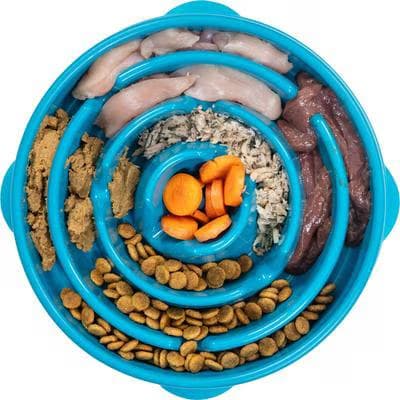
Multiple ridges and valleys slow eating, reduce gas and bloating, and turn mealtime into a fun puzzle. Non-skid base, dishwasher safe, 4-cup capacity.
Petful may earn a commission when you click through to Chewy, at no extra cost to you.
Can Dogs Have Almond Milk?
Yes, dogs can have almond milk in moderation, but there are important considerations and precautions to keep in mind:
- No Xylitol: Ensure the almond milk does not contain xylitol, a sugar substitute that is highly toxic to dogs.
- Avoid Additives: Choose plain almond milk without added sugars, sweeteners, or other additives like chocolate or caffeine, which can be harmful to dogs.
- Not a Substitute for Water: Almond milk should not replace water as the primary source of hydration for your dog.
- Limited Nutritional Value: While almond milk is not harmful, it does not offer significant nutritional benefits to dogs.
- Digestibility: Some dogs might have a sensitive digestive system and could experience gastrointestinal upset, such as diarrhea or vomiting, after consuming almond milk.
Precautions:
- Moderation: If you decide to give your dog almond milk, do so in moderation and observe for any adverse reactions.
- Small Amounts: Start with a small quantity to monitor how your dog's digestive system handles the almond milk.
- Veterinarian Consultation: Consult your veterinarian before introducing almond milk or any new food into your dog’s diet, especially if your dog has known food sensitivities or health conditions.
Always monitor your dog for any adverse reactions and consult your veterinarian with any concerns or questions regarding your dog’s diet. And remember, the most important liquid in your dog's diet should always be fresh, clean water.
Frequently Asked Questions (FAQ)
| Form | Vet Verdict | Main Risk |
|---|---|---|
| Plain raw or dry-roasted almond (1, large dog) | Not recommended, low immediate risk | Choking, hard to digest |
| Plain almond (toy or small breed) | Avoid | High choking and blockage risk |
| Salted almonds | Avoid | Sodium, water retention, salt toxicity |
| Honey-roasted or seasoned almonds | Avoid | Hidden garlic/onion, added sugar and fat |
| Chocolate-covered almonds | Never | Chocolate (theobromine) toxicity |
| Bitter almonds | Never | Cyanogenic compound (cyanide) poisoning |
| Plain almond butter (xylitol-free, thin smear) | Occasional, with caution | Fat, pancreatitis, check for xylitol |

Can Dogs Eat Raw, Roasted, or Salted Almonds?
The form matters, and none of them earn a green light. Plain raw or dry-roasted almonds are the least risky, but they still pose the choking, blockage, and fat-related problems that make vets advise against almonds in general. If your dog snags one plain almond off the floor, it is usually not an emergency, but it is not a treat to offer on purpose.
Salted almonds are worse. The added sodium can cause excessive thirst, water retention, and in large amounts salt toxicity (ion poisoning), which brings vomiting, tremors, and in severe cases seizures. Honey-roasted, smoked, and seasoned almonds are riskier still, because the coatings can hide garlic and onion powder, both of which are toxic to dogs.
Bitter almonds are the dangerous outlier. Raw bitter almonds contain amygdalin, a cyanogenic compound that the body converts into cyanide, so they are genuinely poisonous. The sweet almonds sold for snacking are not bitter almonds, but it is a reason to never let a dog eat almonds of unknown origin, and to keep flavored and chocolate-covered almonds completely off-limits.
How Many Almonds Are Dangerous for a Dog?
There is no published safe serving size for almonds because vets do not recommend them at all. Risk scales with the number eaten and the size of the dog. One or two plain almonds will likely pass through a large dog without trouble, while the same amount can choke or obstruct a toy breed.
The bigger concern is a dog that gets into a bag or bowl. A large volume of almonds at once raises the odds of an intestinal blockage and can deliver enough fat to trigger pancreatitis, a painful and potentially serious inflammation of the pancreas. Salted or flavored almonds add a sodium and toxin load on top of that.
- If your dog ate a large quantity of almonds, or any bitter, salted, flavored, or chocolate-covered almonds, call your veterinarian or the ASPCA Animal Poison Control Center (888-426-4435) right away. Do not wait for symptoms, and never induce vomiting unless a professional tells you to.
Can Puppies Eat Almonds?
No, puppies should not eat almonds. Their smaller airways and developing digestive systems make choking and blockage more likely, and their lower body weight means even a small amount of fat or salt has an outsized effect.
Stick to puppy-appropriate treats and a complete growth-formula diet. If you want a crunchy reward, plain carrot pieces or a few blueberries are far safer choices for a young dog.

Related Petful Guides
- Can dogs eat cashews?
- Can dogs eat peanuts?
- Can dogs eat pecans?
- Can dogs eat sunflower seeds?
- Can dogs eat apples?
Most likely yes. A single plain almond rarely causes an emergency in a healthy medium or large dog. Watch for vomiting, diarrhea, gagging, or signs of abdominal pain over the next day or two, and call your vet if any appear, especially in a small dog or one prone to pancreatitis.
Almonds are not toxic but are hard for dogs to digest, so the common results are stomach upset, gas, vomiting, or diarrhea. In larger amounts they can cause choking, an intestinal blockage, or pancreatitis from the high fat. Salted or flavored almonds add the risk of salt toxicity or hidden toxic seasonings.
There is no vet-approved serving size, since almonds are not recommended at all. A couple of plain almonds usually passes through a large dog, but even one can choke a small breed. A whole handful or a spilled bag raises the real risk of blockage and pancreatitis, so contact your vet if your dog eats a lot.
Yes. Macadamia nuts are the most dangerous and can cause weakness, vomiting, tremors, and fever within hours. Black walnuts and any moldy nuts can cause poisoning or neurological signs. Almonds, cashews, and pecans are not classified as toxic but still carry choking, fat, and digestion risks.
In small amounts, plain almond butter is usually safe, but only if it contains no xylitol, an artificial sweetener that is life-threatening to dogs. It is high in fat, so keep it to an occasional thin smear and skip it entirely for dogs prone to pancreatitis or weight gain.
A small splash of plain, unsweetened, xylitol-free almond milk is unlikely to harm most dogs, but it offers no real nutritional benefit and can upset sensitive stomachs. It should never replace fresh water, and any almond milk with added sugar, chocolate, or sweeteners should be avoided.
Curious about what other foods dogs can eat? Check out these related articles below: Can Dogs Eat Cashews? Can Dogs Eat Peanuts? Can Dogs Eat Pecans? Can Dogs Eat Pumpkin Seeds? Can Dogs Eat Sunflower Seeds?

Carol Bryant is the founder FidoseofReality.com and SmartDogCopy.com. A pet product expert, Carol is the Past President of the Dog Writers Association of America (DWAA) and winner of Best Dog Blog. A dog lover of the highest order is how Gayle King introduced Carol when she appeared with her Cocker Spaniel on Oprah Radio’s Gayle King Show to dish dogs. She helps pet, animal, and lifestyle brands achieve copywriting and content marketing success using well-trained words that work and is well-known in the pet industry.
Veterinarian · BVMS, MRCVS
Dr. Pippa Elliott, BVMS, MRCVS, is a veterinarian with nearly 30 years of experience in companion animal practice. Dr. Elliott earned her Bachelor of Veterinary Medicine and Surgery from the University of Glasgow. She was also designated a Member of the Royal College of Veterinary Surgeons. Married with 2 grown-up kids, Dr. Elliott has a naughty Puggle named Poggle, 3 cats and a bearded dragon.
Sign up for expert-backed reviews and safety alerts all in one place.