Can Dogs Eat Asparagus? Everything You Need To Know.
Can dogs eat asparagus? Yes, in moderation when it is cooked plain and chopped small. Here is how much is safe by dog size, why the asparagus fern is toxic, and the best way to serve it.

Veterinarian · BVMS, MRCVS

Petful is reader supported. As an affiliate of platforms like Amazon and Chewy, we may earn a commission when you buy through links on this page. There is no extra cost to you.
- 1Yes, dogs can eat asparagus in moderation, it’s a low-calorie, nutrient-rich treat packed with vitamins and fiber.
- 2Always cook or steam asparagus to make it easier to digest, and avoid the tough, woody ends to prevent choking or blockages.
- 3Introduce it slowly and watch for signs of allergies or digestive upset, especially in dogs with sensitive stomachs or specific health conditions.

Sign up for expert-backed reviews and safety alerts all in one place.
Can Dogs Eat Asparagus?
Can dogs eat asparagus? Yes, in moderation. Cooked, plain asparagus is safe and not toxic, but always steam or boil it soft, snap off the tough woody end, and cut it into bite-size pieces. Keep it under 10% of daily calories, and never let your dog near the asparagus fern, which the ASPCA lists as toxic to dogs.
Asparagus, that vibrant green vegetable often found on our dinner plates and in gourmet dishes, might leave you wondering if your canine companion can partake in this nutritious delight.
The good news is that, in moderation and with a few precautions, dogs can enjoy asparagus.
In this guide, we'll delve into the nutritional benefits and considerations of feeding asparagus to your dog, along with some creative ways to incorporate it into their diet.
Is Asparagus Good for Dogs? Nutrition and Benefits
Before we discuss how dogs can enjoy asparagus, let's take a moment to appreciate the nutritional profile of this green wonder:
- Low in Calories: Asparagus is a low-calorie vegetable, making it a suitable treat for dogs that need to watch their weight. It offers a satisfying crunch without adding extra pounds.
- Rich in Fiber: This veggie is an excellent source of dietary fiber, which can promote healthy digestion and help regulate bowel movements in dogs.
- Vitamins and Minerals: Asparagus is packed with essential nutrients like vitamin K, vitamin A, vitamin C, and folate. These vitamins contribute to overall health and well-being in dogs.
- Antioxidants: Asparagus contains antioxidants, which can help combat oxidative stress and support a dog's immune system.
What Are the Health Benefits of Asparagus for Dogs?
Now, let's explore the potential advantages of incorporating asparagus into your dog's diet:
- Healthy Digestion: The fiber in asparagus can aid in maintaining regular bowel movements, making it particularly useful for dogs dealing with gastrointestinal issues.
- Nutrient Boost: Asparagus provides essential vitamins and minerals that contribute to your dog's overall health, including vitamin K for blood clotting and bone health.
- Hydration: Asparagus has a high water content, which can contribute to your dog's daily hydration needs.

Soft, real-beef burger bites with bison, grain-free and sized for occasional training-treat sharing.
Petful may earn a commission when you click through to Chewy, at no extra cost to you.
Is Asparagus Safe for Dogs?
While asparagus is generally safe for dogs, it's crucial to consider a few safety precautions:
- Moderation: As with any treat, asparagus should be given in moderation and as part of your dog's balanced diet. It should complement their regular meals.
- Size and Choking Hazard: Whole asparagus spears can pose a choking risk, especially for smaller dogs. To make them safer, consider chopping or slicing them into bite-sized pieces.
- Preparation: Remove the tough, fibrous ends of the asparagus, as they can be challenging to chew and digest.
- Clean Thoroughly: Before offering asparagus to your dog, ensure you wash it thoroughly to remove any potential pesticides or contaminants.
Which Dogs Should Avoid Asparagus?
While asparagus is generally safe for most dogs, certain situations warrant caution:
- Dogs with Food Allergies or Sensitivities: If your dog has known food allergies or sensitivities, introduce asparagus carefully and watch for any adverse reactions, such as skin issues or digestive upset.
- Dogs with Diabetes or Blood Sugar Issues: If your dog has diabetes or blood sugar regulation issues, monitor their asparagus intake, as asparagus contains natural sugars that can affect blood glucose levels.
- Dogs with Kidney Disease: Dogs with chronic kidney disease may need to restrict their intake of certain nutrients, including potassium, found in asparagus. Consult your veterinarian for guidance.
- Dogs Prone to Pancreatitis: While asparagus is not typically high in fat, any new food can potentially trigger pancreatitis in susceptible dogs. Introduce it gradually and observe for any adverse reactions.
Could My Dog Be Allergic to Asparagus?
Yes, although it's uncommon, dogs can be allergic or intolerant to any food, including asparagus. Food allergies in dogs can manifest in various ways, ranging from gastrointestinal symptoms to skin-related issues.
Symptoms of an Asparagus Allergy or Intolerance in Dogs:
- Skin Issues: Itchiness, hives, redness, or rashes can be signs of an allergic reaction. The dog might scratch or lick excessively, especially around the paws, ears, or face.
- Digestive Upset: Vomiting or diarrhea might occur if a dog is intolerant or allergic to asparagus.
- Facial Swelling: Swelling around the eyes, lips, ears, or throat can indicate an allergic reaction.
- Coughing or Difficulty Breathing: These could be signs of a severe allergic reaction, especially if there's swelling in the throat.
- Chronic Ear Infections: If a dog repeatedly gets ear infections, it might be a sign of an underlying food allergy.
- Behavioral Changes: Some dogs might become lethargic, anxious, or exhibit other changes in behavior when experiencing discomfort or an allergic reaction.
What to Do if You Suspect an Allergy:
- Remove the Allergen: If you believe asparagus is causing the issue, stop feeding it to your dog and avoid any treats or foods that contain it.
- Consult Your Veterinarian: If your dog shows symptoms of an allergic reaction, it's essential to consult with a veterinarian. They can provide guidance on treating the immediate symptoms and discuss potential allergy tests or dietary changes.
- Allergy Testing: If the allergic reactions are recurring and the cause isn't clear, your vet might recommend an allergy test to identify the specific allergens affecting your dog.
- Monitor for Cross-Contamination: Ensure that other foods or treats aren't contaminated with asparagus if you believe it's causing an allergic reaction.
Can Dogs Eat Asparagus?
Yes, your dog can enjoy asparagus as a nutritious treat when introduced responsibly and in moderation. Its low-calorie content, dietary fiber, and essential vitamins make it a valuable addition to your dog's diet. Ensure it is properly washed and adjust portion sizes based on your dog's size.
How Much Asparagus Can a Dog Eat?
The amount of asparagus a dog can eat will vary based on their size and individual tolerance. Remember, asparagus should be given as a treat or supplement to their diet and not replace their regular meals. Using half-inch pieces as a serving size, here's a general guideline for asparagus consumption by dog size:
- Small Dogs (up to 20 lbs): 1 half-inch pieces per serving, chopped up even smaller.
- Medium Dogs (20-50 lbs): 2-3 half-inch pieces per serving.
- Large Dogs (50-100 lbs): 3-5 half-inch pieces per serving.
- Extra Large Dogs (over 100 lbs): 5-7 half-inch pieces per serving.
This is a general guideline, and individual dogs might have different tolerances. Always introduce asparagus (or any new food) gradually and monitor for any adverse reactions. Adjust servings based on your dog's specific needs and reactions. If you're unsure about the appropriate amount for your dog, consulting with your veterinarian is always a good idea.

Pumpkin-flavored probiotic soft chews that support healthy gut flora and digestion in dogs.
Petful may earn a commission when you click through to Chewy, at no extra cost to you.
What Happens if a Dog Eats Too Much Asparagus?
If your dog has eaten too much asparagus, they might experience some gastrointestinal discomfort due to the high fiber content. Symptoms may include: Vomiting Diarrhea Gas Bloating Abdominal discomfort
Steps to Take:
- Observe Your Dog: Monitor your dog closely for any signs of distress, discomfort, or unusual behavior. Pay attention to their hydration level, especially if they experience vomiting or diarrhea.
- Provide Fresh Water: Ensure your dog has access to plenty of fresh water to prevent dehydration, particularly if they exhibit symptoms like vomiting or diarrhea.
- Limit Food Intake: If your dog shows signs of digestive upset, consider fasting them for 12-24 hours (but continue to provide water) and then reintroduce a bland diet, such as plain boiled rice and chicken, in small amounts.
- Contact Your Veterinarian: If symptoms persist or if your dog appears to be in distress, contact your veterinarian immediately for advice and possible treatment. They may need to examine your dog to rule out any serious health issues.
- Adjust Future Portions: In the future, ensure that asparagus and other treats are given in moderation and form only a small part of your dog’s overall diet.
While asparagus is generally safe for dogs in moderate amounts, too much of it can lead to digestive issues due to its high fiber content. It's always a good practice to introduce any new foods gradually and observe how your dog reacts to them. If you are ever in doubt about your dog's health or dietary needs, consulting with a veterinarian is the best course of action.
How Do You Serve Asparagus to Your Dog?
Serving your dog asparagus can be a healthy addition to their diet, but it’s important to prepare it correctly to avoid any health issues. Here are some great ways to serve asparagus to your dog:
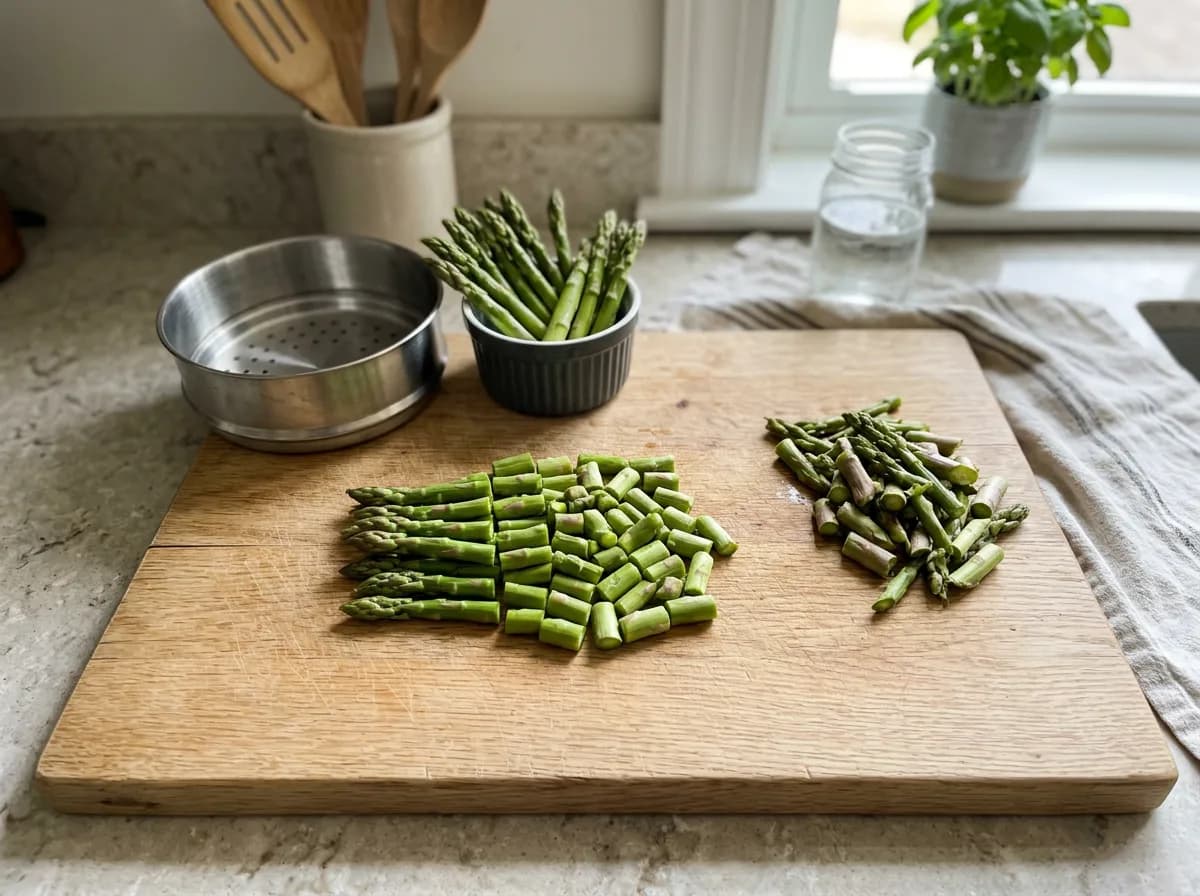
- Steamed Asparagus: Steam the asparagus until it is soft but still retains some of its crunch. Avoid adding any salt, oil, or seasonings. Cut it into bite-sized pieces to prevent choking.
- Fresh and Chopped: Wash the asparagus thoroughly and chop it into small, bite-sized pieces. This method retains the most nutrients but may be harder for some dogs to digest, so monitor your dog's reaction.
- Asparagus Smoothie: Blend steamed and cooled asparagus with dog-safe fruits like blueberries or apple slices (without seeds) and a bit of plain, unsweetened yogurt. Serve in small amounts as a tasty treat.
- Mixed with Dog Food: Chop steamed asparagus into small pieces and mix it into your dog's regular wet or dry food. This is an easy way to incorporate asparagus into their diet.
- Homemade Asparagus Dog Treats: Experiment with baking dog-friendly treats that incorporate asparagus. For example, you could mix finely chopped asparagus with whole wheat flour, eggs, and a bit of water to make dough, then bake into small, bite-sized treats.
- Frozen Asparagus Snack: For a refreshing summer treat, you can freeze small pieces of steamed asparagus and offer them to your dog as a cool snack.
Remember, it’s essential to introduce any new food, including asparagus, gradually and in moderation, and to monitor your dog for any adverse reactions. Additionally, always consult with your veterinarian before making significant changes to your pet’s diet, especially if they have any existing health conditions.
Can Dogs Eat Raw vs Cooked Asparagus?
Yes, while dogs technically can eat raw asparagus, it is recommended to cook (steam or boil) asparagus before serving. Here are a few considerations to keep in mind:
- Chewability and Digestibility: Raw asparagus is quite tough and fibrous, which can be difficult for some dogs to chew and digest properly. Chopping it into small, bite-sized pieces can help, but some dogs might still have trouble digesting raw asparagus.
- Choking Hazard: The toughness of raw asparagus can also pose a choking hazard, especially for small dogs. Again, cutting it into smaller pieces can help mitigate this risk.
- Gas and Bloating: The high fiber content in asparagus, especially when raw, can lead to gas and bloating in some dogs.
- Washing: Make sure any raw asparagus is thoroughly washed before serving to remove any pesticides or contaminants.

Multiple ridges and valleys slow eating, reduce gas and bloating, and turn mealtime into a fun puzzle. Non-skid base, dishwasher safe, 4-cup capacity.
Petful may earn a commission when you click through to Chewy, at no extra cost to you.
Can Dogs Eat the Woody Ends or Stems of Asparagus?
It is not recommended to give your dog the woody end of asparagus. The woody ends of asparagus spears are tough and fibrous, making them difficult for dogs to chew and digest properly. Consuming the woody ends can potentially lead to choking hazards or intestinal blockages, especially in smaller dogs.
Here’s what you should do:
- Trim the Ends: Before serving asparagus to your dog, always trim off the tough, woody ends to prevent any potential digestive issues.
- Proper Preparation: After trimming the woody ends, you can serve the tender parts of the asparagus either raw (cut into small, bite-sized pieces) or cooked (steamed or boiled without any seasonings or additives).
- Monitor Your Dog: Whenever introducing a new food item, watch your dog closely for any signs of discomfort, choking, or allergic reactions.
Veterinary Advice: If you have any concerns or if your dog shows signs of distress after eating asparagus, contact your veterinarian promptly.
Frequently Asked Questions (FAQ)
| Dog Size (weight) | Cooked, Chopped Serving | How Often |
|---|---|---|
| Extra small / small (up to 20 lbs) | 1 half-inch piece | 1 to 2 times per week |
| Medium (20 to 50 lbs) | 2 to 3 half-inch pieces | 1 to 2 times per week |
| Large (50 to 100 lbs) | 3 to 5 half-inch pieces | 2 to 3 times per week |
| Giant (over 100 lbs) | 5 to 7 half-inch pieces | 2 to 3 times per week |
Is the Asparagus Fern Toxic to Dogs?
Yes, the asparagus fern is toxic to dogs, even though the edible spears you cook and eat are perfectly safe. The fern is the feathery, ornamental foliage of the plant (often sold as a houseplant or grown in the garden), and the ASPCA lists it as toxic to dogs and cats. The dangerous compound is a steroidal saponin called sapogenin, which is concentrated in the plant's berries and foliage rather than in the kitchen-ready stalks.
If a dog chews on the fern or eats the small red berries it produces, the most common signs are vomiting, diarrhea, and abdominal pain. Repeated skin contact with the foliage can also cause allergic dermatitis, leaving the skin red and irritated. None of this comes from the asparagus spears themselves, so there is no need to avoid feeding plain cooked asparagus over fern fears.
The practical takeaway is simple: feed the cooked stalk, keep the plant away from your dog. If you grow asparagus at home or keep an asparagus fern as a houseplant, fence the bed or move the pot well out of reach. Dogs that like to dig or graze in the garden are the ones most likely to get into the toxic part of the plant.
If you suspect your dog has eaten the fern or its berries, do not wait for symptoms to escalate. Call your veterinarian or the Pet Poison Helpline at 855-764-7661 right away, and have a rough idea of how much your dog ate and when, which helps the team judge the risk.
- The asparagus fern is the decorative, leafy part of the plant, not the spear you cook. The ASPCA classifies it as toxic to dogs, so keep both garden plants and houseplant varieties out of paw's reach.
What Are the Signs of Asparagus Poisoning in Dogs?
The asparagus spears we eat are not poisonous to dogs, so true poisoning only happens when a dog gets into the toxic asparagus fern or its berries. Signs of fern ingestion include vomiting, diarrhea, and abdominal pain, and with repeated skin contact you may also see red, irritated skin. These symptoms can come on within a few hours of your dog reaching the plant.
Eating too many cooked or raw spears is a different, milder problem. Because asparagus is high in fiber, an overzealous serving usually leads to gas, bloating, loose stools, or a temporarily upset stomach rather than genuine poisoning. You may also notice your dog's urine takes on a stronger, sulfur-like smell, which is a harmless side effect of compounds in asparagus and not a sign of illness.
Watch for warning signs that warrant a call to the vet: persistent vomiting or diarrhea, lethargy, refusal to eat, a painful or bloated belly, or any signs after you know your dog reached the fern. Puppies, senior dogs, and dogs with existing digestive or pancreatic problems can react more strongly, so err on the side of caution with them.
When in doubt, contact your veterinarian or the Pet Poison Helpline at 855-764-7661. If the upset is limited to mild gas or a single loose stool after a few extra spears, withholding asparagus and offering plenty of fresh water is usually enough, but anything more serious deserves a professional opinion.
- Call your vet or the Pet Poison Helpline at 855-764-7661 if your dog ate the asparagus fern, or if vomiting, diarrhea, or belly pain after eating spears lasts more than a day.

Related Petful Guides
Keep asparagus to no more than 10% of your dog's daily calories. As a rough guide, that is about 1 small piece for dogs under 20 lbs, 2 to 3 pieces for 20 to 50 lb dogs, and 3 to 5 pieces for 50 to 100 lb dogs, all chopped into half-inch bites. Serve it cooked and plain, and start with a single piece to confirm it agrees with your dog before offering more.
Asparagus spears are not poisonous, so the real risk is the asparagus fern (the plant's feathery part), which the ASPCA lists as toxic. Signs of fern ingestion include vomiting, diarrhea, and abdominal pain. Eating too many spears can cause gas, bloating, or loose stools. If your dog reaches the fern or shows persistent vomiting, call your vet or the Pet Poison Helpline at 855-764-7661.
Dogs can eat small amounts of raw asparagus, but it is not the safest choice. Raw spears are tough, stringy, and hard to digest, which raises the risk of choking and gas. Cooking asparagus by steaming or boiling it until soft makes it gentler on the stomach and easier to chew. If you do offer it raw, chop it into tiny pieces and watch your dog closely.
Yes, plain cooked asparagus is the best way to serve it. Steam or boil the tender spears until soft, with no butter, oil, salt, garlic, or onion, since garlic and onion are toxic to dogs. Let it cool, trim the woody end, and cut it into bite-size pieces. Cooked asparagus is easier to digest than raw and keeps most of its vitamins K, A, C, and folate.
A few bites of soft, cooked, finely chopped asparagus are generally fine for healthy puppies, but their stomachs are more sensitive than adult dogs. Introduce it slowly, in very small amounts, and only after their main puppy diet is well established. Because puppies need carefully balanced nutrition to grow, ask your vet before adding any new treat, and stop if you notice gas or loose stools.
It is best to skip both. Canned asparagus is usually packed with added salt, and pickled asparagus contains vinegar, salt, and often garlic or onion in the brine, which can upset your dog's stomach and is unsafe in larger amounts. Stick to fresh asparagus that you steam or boil plain at home, where you control exactly what goes into it.
Curious about what other foods dogs can eat? Check out these related articles below: Can Dogs Eat Chickpeas? Can Dogs Eat Edamame? Can Dogs Eat Black Beans? Can Dogs Eat Kale? Can Dogs Eat Squash? Can Dogs Eat Corn?

Carol Bryant is the founder FidoseofReality.com and SmartDogCopy.com. A pet product expert, Carol is the Past President of the Dog Writers Association of America (DWAA) and winner of Best Dog Blog. A dog lover of the highest order is how Gayle King introduced Carol when she appeared with her Cocker Spaniel on Oprah Radio’s Gayle King Show to dish dogs. She helps pet, animal, and lifestyle brands achieve copywriting and content marketing success using well-trained words that work and is well-known in the pet industry.
Veterinarian · BVMS, MRCVS
Dr. Pippa Elliott, BVMS, MRCVS, is a veterinarian with nearly 30 years of experience in companion animal practice. Dr. Elliott earned her Bachelor of Veterinary Medicine and Surgery from the University of Glasgow. She was also designated a Member of the Royal College of Veterinary Surgeons. Married with 2 grown-up kids, Dr. Elliott has a naughty Puggle named Poggle, 3 cats and a bearded dragon.
Sign up for expert-backed reviews and safety alerts all in one place.