Can Dogs Eat Yogurt? A Comprehensive Guide
Can dogs eat yogurt? Yes, plain unsweetened yogurt is a safe treat in moderation, but xylitol, added sugar, and lactose can cause problems. Here is how to serve it safely and how much your dog can have.

Veterinarian · BVMS, MRCVS

Petful is reader supported. As an affiliate of platforms like Amazon and Chewy, we may earn a commission when you buy through links on this page. There is no extra cost to you.
- 1Yes, dogs can eat plain, unsweetened yogurt in moderation, but some may be lactose intolerant.
- 2It provides probiotics, calcium, and protein, supporting digestion and bone health.
- 3Avoid flavored yogurts, especially those with xylitol or added sugars, and introduce slowly to watch for digestive issues.

Sign up for expert-backed reviews and safety alerts all in one place.
Can Dogs Eat Yogurt? The Short Answer
Can dogs eat yogurt? Yes, dogs can eat yogurt in moderation, as long as it is plain, unsweetened, and free of xylitol. Plain Greek yogurt is the best pick because it is lower in lactose. The single most important caveat: never feed yogurt containing xylitol (birch sugar), which the ASPCA Animal Poison Control Center warns can cause dangerous blood sugar drops and liver failure in dogs.
Yogurt, a staple in many human diets, is known for its probiotic benefits, good bacteria, calcium, and protein content. But when it comes to sharing this creamy delight with our furry friends, pet parents often wonder, can dogs eat yogurt? This article explores the benefits, considerations, and possible risks of feeding yogurt to dogs.
Is Yogurt Good or Bad for Dogs?
While yogurt can be beneficial, there are some risks to consider:
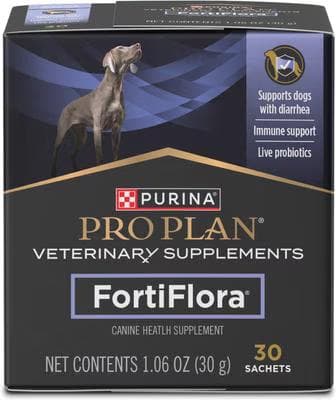
The #1 vet-recommended probiotic for dogs. Daily powder sachets with live probiotics support healthy digestion and firmer stools, and can help dogs coping with diarrhea or GI upset.
Petful may earn a commission when you click through to Chewy, at no extra cost to you.
- Lactose Intolerance: Some dogs are lactose intolerant and may experience gastrointestinal upset after consuming dairy products. Observe your dog closely for signs of discomfort.
- Allergies: Dairy allergies, though less common, can occur in dogs. Symptoms can include itching, redness, and gastrointestinal distress.
- Caloric Intake: Yogurt should be considered a treat and not a dietary staple. It should make up no more than 10% of your dog’s daily caloric intake to avoid weight gain.
How Much Yogurt Can Dogs Eat by Size?
The amount of yogurt a dog can safely consume depends on its size and individual tolerance. Here are some general guidelines based on dog size for how much yogurt dogs can likely eat:
- Extra Small (<10 lbs): Start with less than a teaspoon as a portion.
- Small (10-25 lbs): Begin with 1 teaspoon of plain yogurt for small dogs.
- Medium (25-60 lbs): Start with 1 1/2 teaspoons for a medium dog and gauge their tolerance.
- Large (60-100 lbs): For a large dog, start with about 2 teaspoons of plain yogurt.
- Giant (100+ lbs): Start with around 3 teaspoons or 1 tablespoon.
Remember, these amounts are general guidelines and should not constitute a significant portion of a dog's diet. Yogurt should be considered a treat, not a staple of their diet. Always monitor your dog for any signs of lactose intolerance or digestive issues after consuming yogurt, and consult with your veterinarian before making any changes to your dog’s diet.
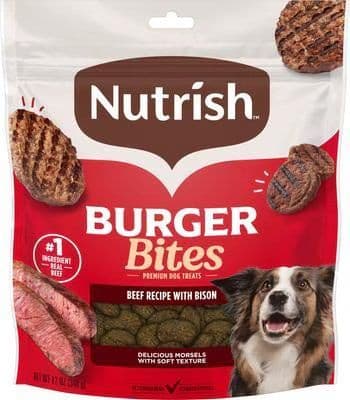
Soft, real-beef burger bites with bison, grain-free and sized for occasional training-treat sharing.
Petful may earn a commission when you click through to Chewy, at no extra cost to you.
What Are the Benefits of Yogurt for Dogs?
Yogurt can offer several nutritional health benefits when given in moderation:
- Probiotics: Yogurt contains beneficial bacteria that can help maintain healthy digestion and promote a healthy immune system.
- Calcium and Phosphorus: These minerals are vital for strong bones and teeth.
- Proteins: Essential for muscle development and energy, yogurt provides a good source of easily digestible proteins.
How Do You Safely Feed Yogurt to Dogs?
Feeding yogurt to dogs can be a healthy treat when done correctly. Here are some preparation tips to ensure that your dog enjoys this treat safely:
- Choose the Right Type of Yogurt: Choose plain, unsweetened yogurt to avoid added sugars and artificial sweeteners, which can be harmful to dogs. Select non-fat or low-fat yogurt to prevent potential issues related to high fat intake, like pancreatitis.
- Introduce Slowly: Start with a small amount to assess your dog’s tolerance to dairy products.
- Monitor: Observe your dog for signs of lactose intolerance or allergic reactions after consuming yogurt. If any negative symptoms occur, discontinue use and consult your veterinarian.
- Moderation is Key: Treat yogurt as a treat, not a meal. It should constitute no more than 10% of your dog’s total daily calorie intake. Too much yogurt can lead to weight gain or digestive issues.
- Avoid Yogurts with Additives: Stay away from yogurts containing xylitol, chocolate, grapes, or any other ingredients that are toxic to dogs.
- Mix with Dog Food: For dogs that enjoy yogurt, you can mix a little bit into their regular food as a way to enhance the flavor and add probiotic benefits.
- Consult Your Veterinarian: Before introducing any new food to your dog’s diet, it’s wise to consult with your veterinarian. Vets can provide guidance based on your dog’s health, size, and nutritional needs.
Following these tips can help you safely incorporate yogurt into your dog’s diet, providing them with a tasty treat that also supports their digestive health.

Can Dogs Be Allergic to Yogurt? Signs to Watch
Dogs can have allergies or sensitivities to various components in yogurt, similar to humans. Here are some potential yogurt-related allergies to be aware of in dogs:
- Lactose Intolerance: While not an allergy per se, many dogs are lactose intolerant, meaning they have a hard time digesting the lactose in dairy products, including yogurt. This can lead to gastrointestinal symptoms like stomach pain.
- Milk Proteins: Dogs can be allergic to the proteins found in milk. This type of allergy can cause skin reactions, gastrointestinal upset, and ear infections.
- Artificial Additives: Flavored or sweetened yogurts may contain artificial colors, flavors, or sweeteners like xylitol, which is toxic to dogs.
- Preservatives: Some yogurts contain preservatives to extend their shelf life, and these chemicals can potentially trigger allergic reactions in sensitive dogs.
Symptoms of yogurt allergies in dogs can vary but may include:
- Skin Issues: Symptoms like itching, redness, or hot spots can signal an allergic reaction.
- Gastrointestinal Distress: Can include symptoms like vomiting, diarrhea, and gas.
- Respiratory Problems: In severe cases dogs may exhibit breathing difficulties, wheezing, or coughing as a sign of an allergic reaction.
If you suspect your dog has a yogurt allergy or intolerance, it's important to stop feeding them yogurt and consult with a veterinarian for proper diagnosis and treatment.
In sum, yogurt can be a healthy, occasional treat for dogs, offering nutrients and other health benefits. However, it’s important to choose the right type of yogurt and monitor your dog's reaction to it. Always consult with a veterinarian before making any significant changes to your pet’s diet, ensuring that the treats you choose are healthy and suitable for their needs.
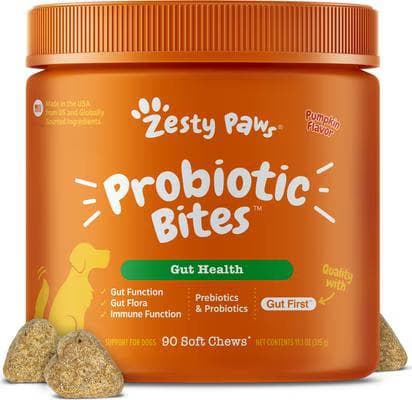
Pumpkin-flavored probiotic soft chews that support healthy gut flora and digestion in dogs.
Petful may earn a commission when you click through to Chewy, at no extra cost to you.
Frequently Asked Questions (FAQ)
| Dog Size | Weight | Starting Serving | Frequency |
|---|---|---|---|
| Extra small | Under 10 lbs | Less than 1 tsp | 2-3 times a week |
| Small | 10-25 lbs | About 1 tsp | 2-3 times a week |
| Medium | 25-60 lbs | About 1-1.5 tsp | 2-3 times a week |
| Large | 60-100 lbs | About 2 tsp | 2-3 times a week |
| Giant | Over 100 lbs | About 1 tbsp | 2-3 times a week |
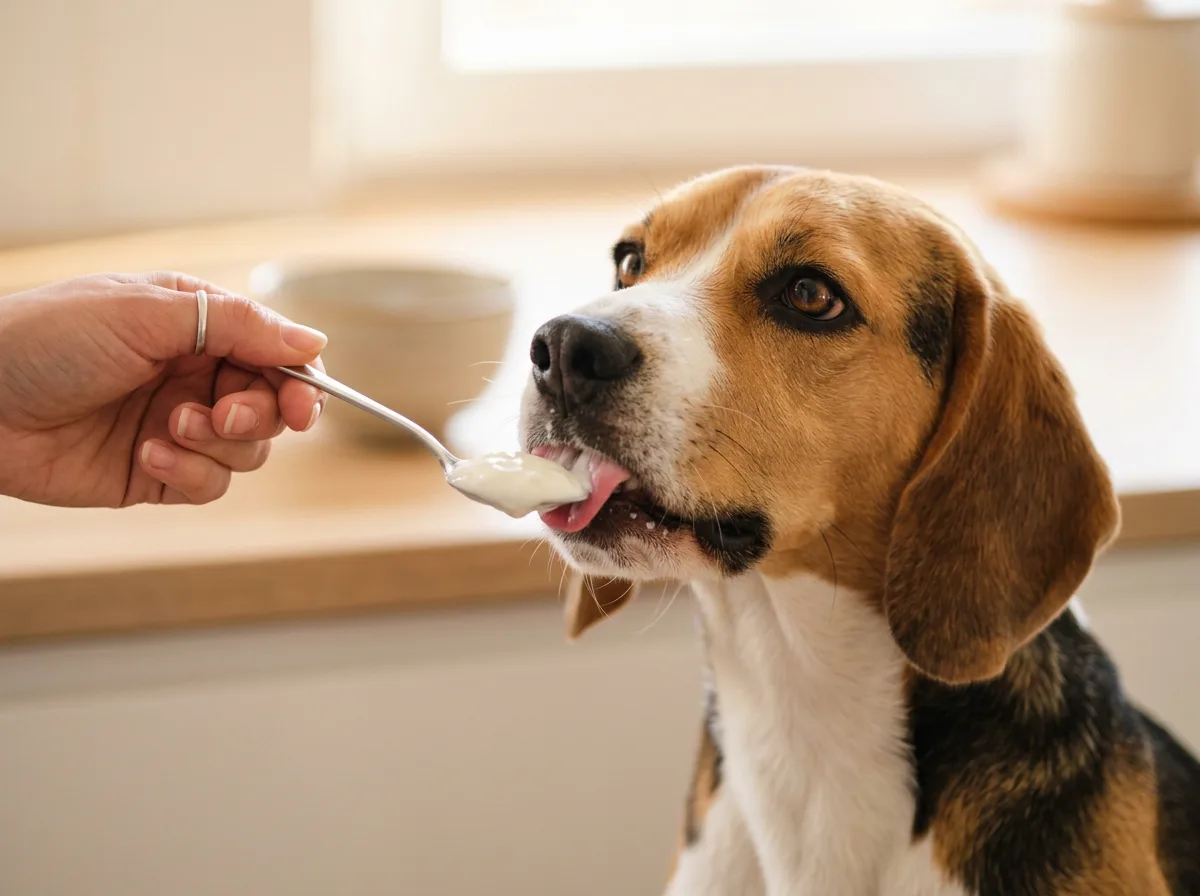
Can Dogs Eat Greek Yogurt?
Yes, plain Greek yogurt is one of the best yogurt choices for dogs. Because it is strained, Greek yogurt contains less lactose than regular yogurt, which makes it easier on the stomachs of dogs that are mildly lactose sensitive. It is also higher in protein and thicker, so it is less messy to serve.
Stick to plain, unsweetened, and ideally low-fat or non-fat Greek yogurt. Avoid vanilla, fruit-flavored, or honey-sweetened Greek yogurt, and always scan the label for xylitol. Popular brands like plain Chobani or Fage are fine in small amounts as long as they are the unsweetened, no-additive versions.
- When in doubt, plain unsweetened Greek yogurt is the safest single choice for most dogs: lower lactose, higher protein, and no added sugar.
Which Yogurt Flavors and Types Are Safe (and Which to Skip)?
Plain, unsweetened yogurt is the gold standard. Vanilla yogurt is best avoided because it usually carries added sugar and sometimes artificial sweeteners, even though the vanilla itself is not toxic. Strawberry, peach, and other fruit yogurts are not ideal either, since they tend to be loaded with sugar and may contain artificial flavors; if you want fruit, stir a few plain blueberries or a little plain yogurt together yourself.
Plain frozen yogurt made at home (just plain yogurt frozen in an ice cube tray) is a great hot-weather treat, but store-bought froyo is sugary and sometimes contains xylitol, so skip it. Probiotic yogurt is fine and the live cultures can support gut health, but it is not a substitute for a veterinary probiotic if your dog has ongoing digestive issues. Unsweetened coconut yogurt is a reasonable dairy-free option for lactose-sensitive dogs, as long as it has no added sugar or sweeteners.
- Always read the full ingredient list before sharing. Xylitol (sometimes labeled 'birch sugar') appears in some flavored and 'light' or 'sugar-free' yogurts and is highly toxic to dogs.
Can Puppies Eat Yogurt?
Puppies can have a tiny taste of plain, unsweetened yogurt once they are weaned and eating solid food, but their digestive systems are still developing, so go slow and keep portions very small. A lick or two is plenty for a young puppy.
Because a balanced puppy diet is critical for growth, treats of any kind, including yogurt, should stay within the 10% treat allowance and never crowd out their complete-and-balanced puppy food. If your puppy has loose stools after dairy, hold off and check with your veterinarian.
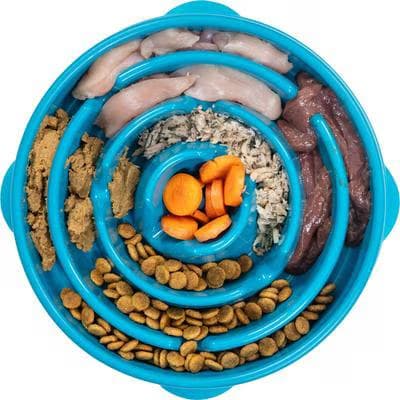
Multiple ridges and valleys slow eating, reduce gas and bloating, and turn mealtime into a fun puzzle. Non-skid base, dishwasher safe, 4-cup capacity.
Petful may earn a commission when you click through to Chewy, at no extra cost to you.
What Should I Do If My Dog Ate Too Much Yogurt?
If your dog ate a large amount of plain yogurt, the most likely result is a temporary upset stomach: gas, bloating, or loose stools from the lactose and fat. Offer fresh water, hold off on more treats, and watch them for the next day or so. Mild symptoms usually pass on their own.
Call your veterinarian or the ASPCA Animal Poison Control Center (888-426-4435) right away if the yogurt contained xylitol, if your dog shows vomiting that will not stop, severe diarrhea, weakness, or signs of pancreatitis such as a hunched posture, repeated vomiting, and belly pain, especially after a high-fat yogurt.
- Xylitol poisoning is an emergency. If your dog ate yogurt with xylitol (birch sugar), call your vet or ASPCA Animal Poison Control (888-426-4435) immediately, even before symptoms appear.
Related Petful Guides
- can dogs eat cottage cheese
- can dogs eat cheese
- can dogs eat blueberries
- can dogs eat pumpkin
- can dogs eat strawberries
Plain, unsweetened yogurt is the safest choice, and plain Greek yogurt is ideal because it is lower in lactose and higher in protein. Look for yogurt with live active cultures and no added sugar, flavorings, or artificial sweeteners. Always avoid any yogurt containing xylitol, which is toxic to dogs.
Yes. Plain, unsweetened Greek yogurt is one of the best options for dogs because straining removes much of the lactose, making it easier to digest than regular yogurt. It is also higher in protein. Skip vanilla, fruit, and sweetened Greek varieties, and check the label for xylitol.
Plain, unsweetened Chobani is fine for most dogs in small amounts, since it is just cultured milk with no added sugar or sweeteners. Avoid Chobani's flavored, fruit-on-the-bottom, or 'less sugar' lines, which can contain added sugar or sweeteners. Always read the ingredient label first.
It is best to avoid vanilla and other flavored yogurts. They typically contain added sugar and sometimes artificial sweeteners like xylitol, which is dangerous for dogs. Plain, unsweetened yogurt gives your dog the same creamy treat without the risks.
The probiotics in plain yogurt may offer mild digestive support for some dogs, but yogurt is not a treatment for diarrhea or a sick stomach. Because the lactose can actually make loose stools worse, ask your veterinarian about a proper canine probiotic if your dog has ongoing digestive issues.
Yogurt should be an occasional treat, not a daily staple. Like all treats, it should make up no more than 10% of your dog's daily calories. A few small servings per week is plenty for most dogs, and you should always introduce it slowly to check for lactose tolerance.
Recipes
Here are some simple yogurt-based recipes that can provide a tasty treat for your dog:
Basic Frozen Yogurt Treats:
Ingredients: Plain, unsweetened yogurt Instructions:
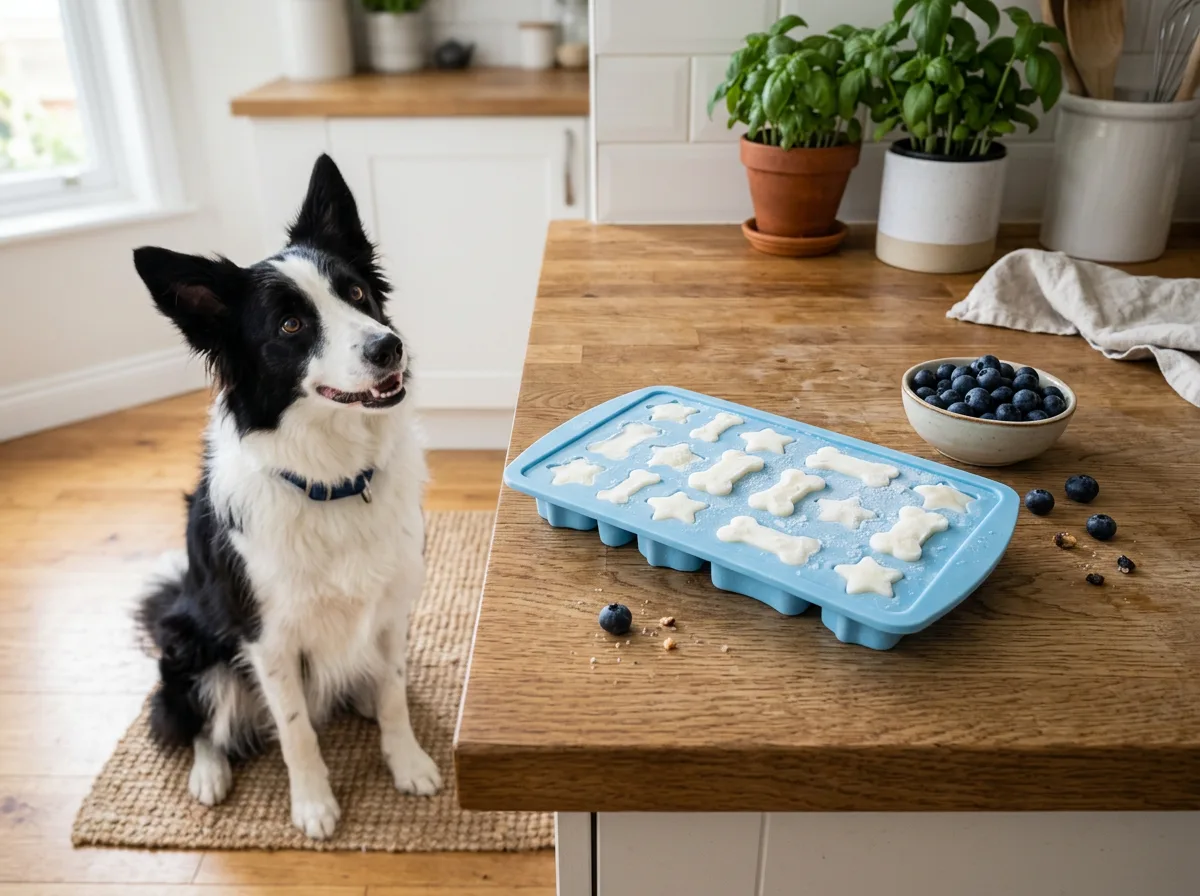
- Simply fill an ice cube tray with plain yogurt and freeze it.
- Once solid, pop out a cube as a cool treat for your dog on a hot day.
Pumpkin Yogurt Dog Treats:
Ingredients:
- 1 cup plain yogurt, ½ cup pureed pumpkin (not pie filling)
- Instructions:
- Mix the regular yogurt and pumpkin puree until well combined.
- Freeze the mixture in an ice cube tray for a festive and healthy treat.
When preparing these recipes, always use plain, unsweetened yogurt and ensure any additional ingredients are safe and non-toxic for dogs. Always introduce new treats slowly and in moderation to avoid gastrointestinal upset.
Curious about what other foods dogs can eat? Check out these related articles below: Can Dogs Eat Butter? Can Dogs Eat Cottage Cheese? Can Dogs Eat Eggs? Can Dogs Eat Scrambled Eggs?

Carol Bryant is the founder FidoseofReality.com and SmartDogCopy.com. A pet product expert, Carol is the Past President of the Dog Writers Association of America (DWAA) and winner of Best Dog Blog. A dog lover of the highest order is how Gayle King introduced Carol when she appeared with her Cocker Spaniel on Oprah Radio’s Gayle King Show to dish dogs. She helps pet, animal, and lifestyle brands achieve copywriting and content marketing success using well-trained words that work and is well-known in the pet industry.
Veterinarian · BVMS, MRCVS
Dr. Pippa Elliott, BVMS, MRCVS, is a veterinarian with nearly 30 years of experience in companion animal practice. Dr. Elliott earned her Bachelor of Veterinary Medicine and Surgery from the University of Glasgow. She was also designated a Member of the Royal College of Veterinary Surgeons. Married with 2 grown-up kids, Dr. Elliott has a naughty Puggle named Poggle, 3 cats and a bearded dragon.
Sign up for expert-backed reviews and safety alerts all in one place.